

Useful information about the World of Cage Bird Ownership
Owning a cage bird is a rewarding experience that brings joy into your home. Whether you’re a first-time bird owner or an experienced bird enthusiast, this information will help you provide an insight on topics to consider when purchasing or caring for a new feathered friend.
1. Choosing the Right Cage
- Size: The cage should be spacious enough for your bird to move around and spread its wings.
- Bar Spacing: Considerations towards bar spacing is crucial to prevent escape or injury, smaller birds require them to be closer together, around 1cm wide and larger birds such as parrots can have bars as wide as 3cm. If you need help on choosing the correct bar spacing, please ask a member of our team in the store.
- Material: Stainless steel is ideal as it’s durable and easy to clean.
2. Habitat Setup
-
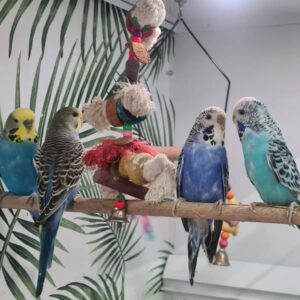 Perches: Provide various perch sizes and textures. Natural wood perches are best for foot health. You can also purchase sanded perch covers to help keep nails filed down.
- Toys and Enrichment: Birds need mental stimulation. Include foraging toys, swings, bells, and mirrors.
- Bedding: Use safe, absorbent bedding such as paper-based or aspen bedding. A lot of people go for sand sheets if they are expecting the bird to walk on the bottom of the cage, this also controls length and sharpness of nails.
3. Feeding and Diet
- Pellets: A high-quality pellet diet ensures balanced nutrition. Most pellets will provide minerals and vitamins as well as much needed nutrients your bird needs to thrive.
- Seeds: Offer seed mixes as treats, not as a primary food source.
- Fresh Foods: Supplement with fruits and vegetables. Avoid toxic foods such as avocado and chocolate.
Fresh Water: Always provide fresh water and change it daily. You can choose to boost the water with vitamin solutions occasionally.
4. Socialisation and Interaction
- Bonding: Birds are social animals and require daily interaction. Spend quality time talking, training, or simply enjoying their company.
- Communication: Learn to recognise your bird’s vocalisations and body language to better understand its needs.
5. Cleanliness and Hygiene
- Daily: Clean the cage by removing droppings, old food, and debris.
- Weekly: Clean perches, toys, and water containers with bird-safe disinfectant.
- Grooming: Birds naturally groom themselves but may need occasional nail trimming or beak care. Consult a vet if necessary.
6. Health and Veterinary Care
- Regular Vet Check-ups: Schedule regular visits with an avian vet to ensure your bird’s health.
- Signs of Illness: Watch for changes in behaviour, appetite, or droppings. Seek vet attention if symptoms like lethargy or fluffed feathers occur.
- Sometimes minor ailments can be treated with over-the-counter medications specifically designed for birds. Speak to a member of our team if you have any concerns about any birds you own, they can advise if there’s a minor treatment you can try first before going to a vet.
7. Cage Placement
- Location: Place the cage in a well-lit area but avoid direct sunlight and drafts. Ensure it’s away from heat sources like radiators or stoves.
- Safety: Keep the cage away from household pets, sharp objects, and electrical cords to prevent accidents.
- Air Quality: Birds are very sensitive to air quality. Ensure proper ventilation and avoid smoking in the same room, avoid toxic fumes like chemicals and scented candles, or aerosol sprays near the bird. Never allow the bird near a kitchen with cooking fumes.
8. Do’s and Don’ts of Bird Ownership
| Do’s | Details |
|---|---|
| Provide Fresh Air | Ensure your bird gets fresh, clean air. Keep the room well-ventilated without drafts. |
| Keep Temperature Stable | Birds thrive in temperatures between 18-29°C. Avoid extremes, and maintain room temperature. |
| Respect Noise Levels | Birds are sensitive to loud noises. Avoid areas with excessive noise, like near TVs or music. |
| Give Regular Interaction | Spend time with your bird daily. They are social and need mental and physical stimulation. |
| Offer a Variety of Diets | Provide a mix of pellets, seeds, fresh vegetables, and fruits for a balanced diet. |
| Monitor Health | Watch for signs of illness like lethargy or eating changes. Registering with a vet is essential. |
| Ensure Enrichment | Provide toys, perches, and foraging opportunities for mental stimulation. |
| Put Your Bird to Bed at Night | Develop a night time routine: cover 80-90% of the cage loosely with a blanket to reduce drafts and distractions. |
| Don’ts | Details |
|---|---|
| Don’t Place Birds in High-Traffic Areas | Avoid placing the cage where birds may be constantly disturbed or stressed. |
| Don’t Expose Birds to Smoke or Toxins | Cigarette smoke, cleaning chemicals, scented candles and air fresheners can be harmful. |
| Don’t Place the Cage in Direct Sunlight | Prolonged direct sunlight can cause overheating, especially for small birds. |
| Don’t Leave Birds Alone for Long Periods | Birds are social creatures and shouldn’t be left alone for extended stretches. |
| Don’t Feed Harmful Foods | Avoid chocolate, avocado, caffeine, alcohol, or any foods toxic to birds. |
| Don’t Expose Birds to Extreme Temperatures | Keep birds away from heaters or drafty cold areas. Maintain a stable temperature. |
9. Traveling and Vacations
- Care for Your Bird: If you’re going on holiday, arrange for a trusted person to care for your bird. Birds should not be left alone for more than a day.
- Transportation: When traveling with your bird, use a secure, well-ventilated carrier to ensure their safety and comfort.
In Summary:
Bird ownership requires a commitment to providing proper care, social interaction, and a safe environment. By following these guidelines and the Do’s and Don’ts, you’ll help your bird thrive and enjoy a long, happy life with you.
For more information or assistance, please visit our store to discuss with a member of our team.