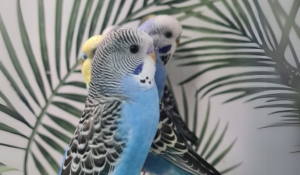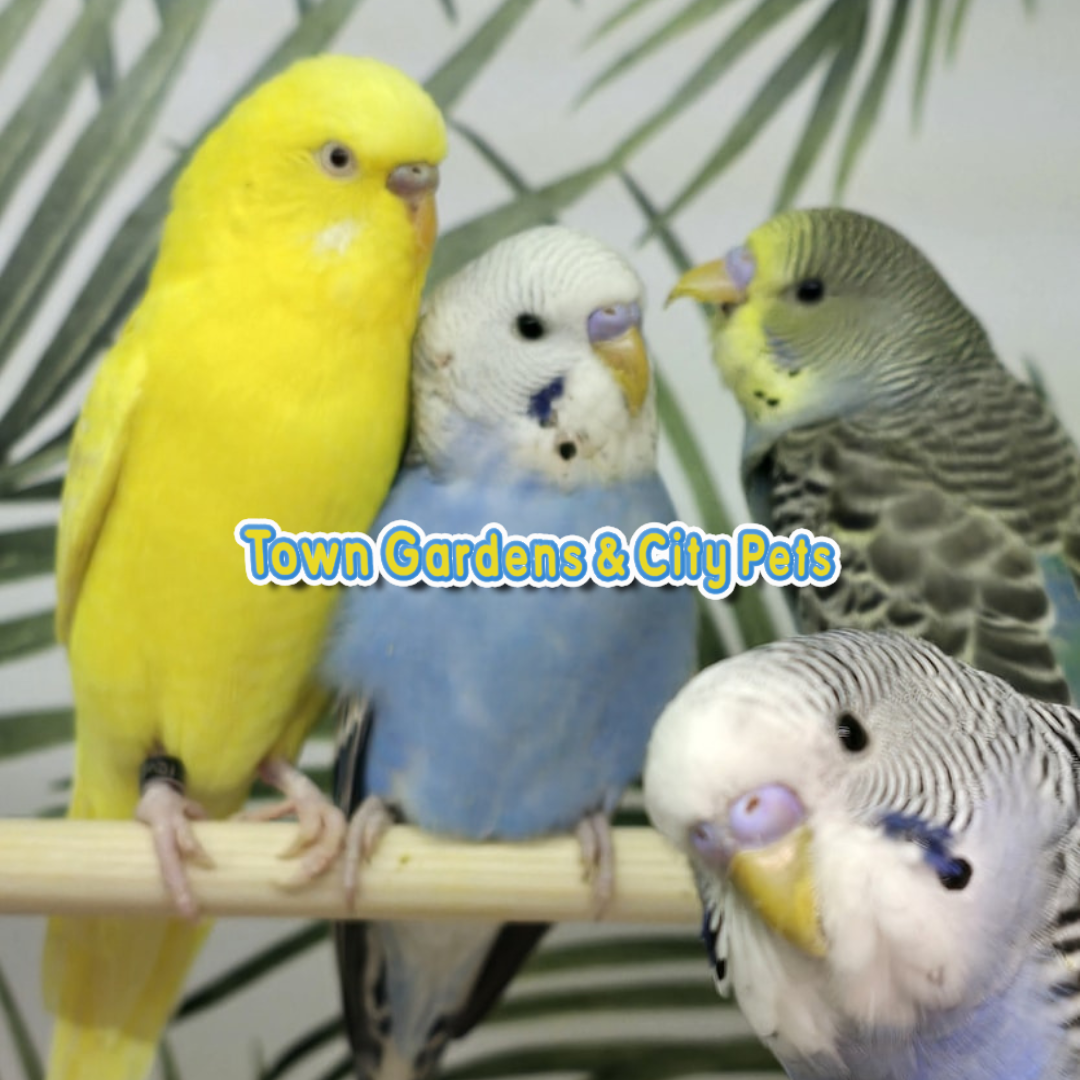
Budgies, also known as parakeets, are popular pet birds due to their playful and friendly nature. They are highly social and can bond closely with their owners, especially when handled and interacted with regularly. Budgies are intelligent and enjoy learning tricks, mimicking sounds, and exploring their environment. While some budgies are more vocal and curious, others may be shy and prefer observing their surroundings.
Budgies are diurnal, meaning they are most active during the day. They love to perch, climb, and fly, making it important to provide a spacious and stimulating environment. With proper care, a balanced diet, and regular interaction, budgies can be healthy and happy companions, bringing joy with their colourful plumage and cheerful personalities.
1. Enclosure Setup
Cage Size & Placement
- Size: Minimum 60 cm x 45 cm x 45 cm for one budgie; larger cages are recommended for pairs or small groups.
- Placement: Position the cage in a quiet, well-lit area away from direct sunlight, draughts, and kitchen fumes. Keep the cage at eye level for easier interaction.
Perches & Accessories
- Provide a variety of natural wooden perches with different diameters to promote foot health.
- Include swings, ladders, and climbing toys to encourage exercise and play.
Toys & Enrichment
- Supply toys such as mirrors, bells, and foraging toys. Rotate toys weekly to maintain interest.
- Budgies enjoy exploring their environment—ensure plenty of safe and engaging items for stimulation.
Food & Water Dishes
- Use separate dishes for seed/pellets, fresh food, and water. Secure them to the cage to prevent tipping.
2. Feeding and Nutrition
Diet
Budgies are primarily seed- and plant-eaters. Offer a varied diet including:
- Base Food: High-quality budgie seed mix or pellets.
- Fresh Vegetables: Broccoli, spinach, carrots, kale, and bell peppers (daily).
- Fruits: Apples, bananas, and berries (a few times per week). Avoid avocado, chocolate, and onion, as they are toxic.
- Calcium: Provide a cuttlebone or mineral block for calcium and beak health.
Feeding Schedule
- Replace seeds/pellets and fresh food daily. Remove uneaten fresh food after a few hours to prevent spoilage.
Hydration
- Always ensure clean, fresh water is available. Replace water daily and clean the dish regularly.
3. Environment Maintenance
Daily Tasks
- Remove droppings and uneaten food from the cage.
- Refill water and replace fresh food.
- Check and clean perches, toys, and accessories as needed.
Weekly Tasks
- Clean the cage thoroughly using bird-safe disinfectant.
- Wash all food and water dishes.
Monthly Tasks
- Perform a deep clean of the entire cage, including bars, corners, and all accessories.
- Replace any worn-out or damaged toys, perches, or dishes.
4. Budgie Behaviour
Acclimatisation
- When introducing your budgie to its new cage, allow them time to explore and adjust. Minimise handling for the first few days to reduce stress.
Interaction & Taming
- Spend time near the cage to let them become familiar with your presence. Offer treats to encourage trust.
- Once comfortable, gently coax them onto your hand or a perch. Regular interaction will strengthen the bond between you and your budgie.
Behaviour Monitoring
- Healthy budgies are curious and active, chirping and exploring their environment.
- Watch for signs of stress or illness, such as lethargy, excessive hiding, loss of appetite, or ruffled feathers, and consult a vet if needed.
Budgies are cheerful, social birds that thrive on interaction and a stimulating environment. With proper care, they can live long, healthy lives, bringing happiness to their owners with their vibrant personalities and melodic chirping.