

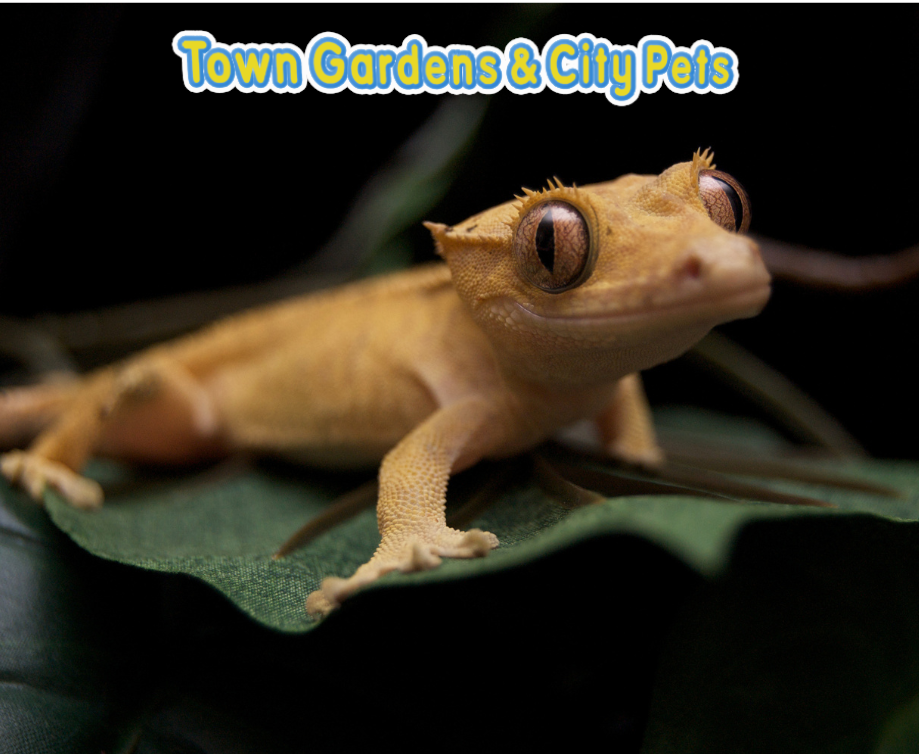
Crested geckos are known for their docile and curious nature. They are generally easy to handle, though they can be a bit jumpy, especially when young. As nocturnal creatures, they are most active at night, exploring their enclosure and climbing on branches. Their prehensile tails and toe pads make them excellent climbers. Crested geckos are solitary and do not require companions, which makes them a great low-maintenance choice for keepers. With regular, gentle handling, they can become accustomed to human interaction and are a delight to watch due to their unique movements and playful behaviour.
Enclosure Requirements:
- Size: Minimum enclosure size of 45 cm x 45 cm x 60 cm for a single adult gecko. Taller enclosures are ideal, as crested geckos are arboreal and love to climb.
- Substrate: Use coconut fibre, soil mixes, or paper towels for easy cleaning. Avoid substrates that may cause impaction, like sand.
- Décor: Include plenty of branches, vines, and plants for climbing, as well as hides for resting. Live plants like Pothos or Bromeliads work well to create a naturalistic setup.
Temperature and Heating:
- Daytime Temperature: 22–26°C.
- Night-Time Temperature: 18–22°C.
- Avoid temperatures above 28°C, as crested geckos can suffer from heat stress. Additional heating is generally unnecessary if room temperatures are within the suitable range, but use a ceramic heater if needed to maintain warmth in cooler environments.
Lighting Requirements:
- Crested geckos do not require UVB lighting but benefit from low-level UVB (2–5%) to support natural behaviour and calcium metabolism.
- A 12-hour light cycle is recommended to mimic their natural environment. LED or UVB lights can be used to achieve this.
Humidity:
- Maintain humidity levels between 50–80%.
- Mist the enclosure 1–2 times a day, ensuring it dries out slightly between mistings to prevent mould growth. Monitor humidity with a hygrometer.
Diet:
- Main Diet: Commercially prepared gecko diets (CGD) designed specifically for crested geckos should form the bulk of their diet.
- Live Insects: Supplement their diet with occasional live insects such as crickets or small locusts, gut-loaded and dusted with calcium.
- Feeding Schedule: Feed CGD every 2–3 days and offer live insects once a week as a treat.
Water:
Provide a shallow dish of fresh water at all times, although most crested geckos prefer to drink water droplets from misting.
Handling:
Crested geckos are generally calm and tolerant of handling once accustomed to their owner. However, they can be jumpy, so handle them gently and support their body. Avoid grabbing their tail, as they can drop it, and unlike some other geckos, it won’t regrow.
Common Health Issues:
- Shedding Problems: Caused by low humidity. Ensure proper humidity levels and provide a humid hide.
- Calcium Deficiency: Caused by improper diet or lack of supplementation. Provide a balanced diet with calcium and vitamins.
- Dehydration: Signs include sunken eyes and lethargy. Mist the enclosure and ensure hydration.
- Stress: Can occur due to improper handling or poor enclosure setup. Ensure a suitable habitat and minimise stress factors.
Additional Tips:
- Crested geckos are arboreal and prefer vertical space, so prioritise height over width when selecting an enclosure.
- They are nocturnal and most active at night, making them fun to observe during the evening.
- Clean the enclosure regularly, removing uneaten food and waste daily, with a deep clean every month.
Summary:
Crested geckos are a hardy and low-maintenance reptile species, making them an excellent choice for beginners and experienced keepers alike. With their unique appearance, friendly nature, and ease of care, they are a popular pet reptile. By providing the correct setup, diet, and care, your crested gecko can thrive and bring joy for many years.